
Best THCA Gummies: Why THCA Gummies Are The Fastest Growing Edible Category In 2026
THCA gummies didn’t “arrive” in 2026. They took over. If you’ve been shopping edibles lately, you’ve probably noticed the shelf shift: more “THCA” labels, more hybrid formulas, more “hemp-derived” positioning, and way more people asking which best thca gummies actually hit right without the sketchy vibes.
Here’s why this matters now: edibles are one of the most competitive categories in cannabis and hemp, and brands are fighting for trust in a market shaped by regulation confusion, lab-testing scrutiny, and smarter customers. You’re going to learn what THCA is (and isn’t), why gummies are the breakout format, what’s driving growth in 2026, and how to shop like a pro. We’ll also break down where venera gummies, vegan thc edibles, and d9 thc gummies fit in the new edible hierarchy.
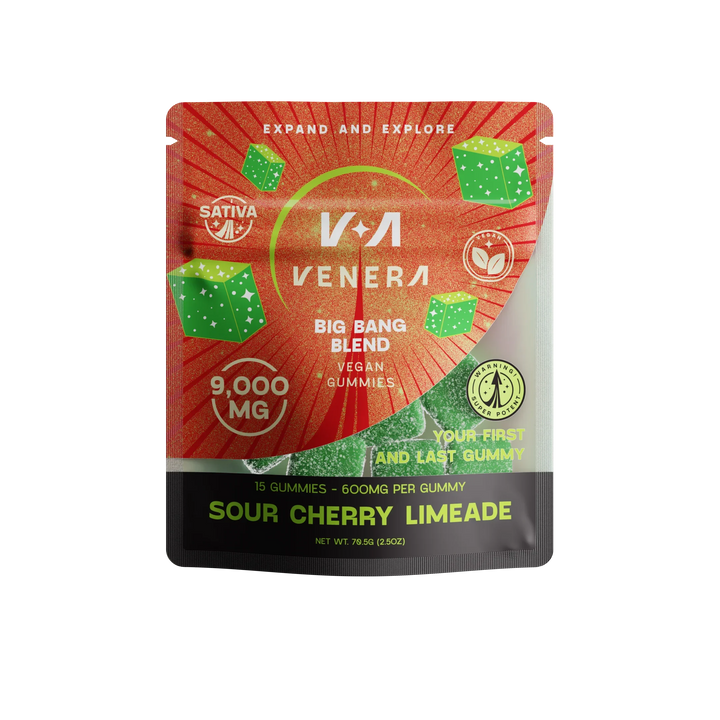
What THCA gummies are (and why people want them)
THCA stands for tetra hydro cannabinolic acid, a naturally occurring cannabinoid found in raw cannabis and hemp. In its raw form, THCA is not intoxicating. The reason people connect it to “THC effects” is simple: THCA can convert to delta-9 THC when exposed to heat via decarboxylation.
THCA gummies vs D9 THC gummies
d9 THC gummies are formulated with delta-9 THC already active in the recipe. THCA gummies, depending on formulation and manufacturing, may contain THCA as the headline cannabinoid and can also include small amounts of delta-9 THC within legal hemp thresholds in many jurisdictions.
Important reality check: a gummy is not a dab rig. Gummies aren’t usually heated at high temps by the consumer, so the experience depends heavily on what the manufacturer actually put in the gummy (active THC, minor cannabinoids, and terpene systems), plus digestion and metabolism.
Why consumers are picking THCA labeled edibles anyway
Trend signal: According to Bright field Group (2025), “hemp-derived THC” products continued to gain mainstream share in U.S. adult-use adjacent channels as consumers looked for alternatives to dispensary-only access. That consumer behavior is a tailwind for THCA gummy growth.
Why gummies are winning the edible war
Gummies are the streetwear of edibles: portable, consistent, and easy to flex. They’re also the easiest edible format for brands to innovate fast: new flavors, new cannabinoid stacks, new dosage options, new dietary angles like vegan thc edibles.
Gummies match modern consumption: controlled, discreet, repeatable
Data point: BDSA (2025) reported gummies remained the top edible format in U.S. legal cannabis markets by sales share, outperforming chocolates and baked goods due to variety, dose control, and new product velocity.
THCA branding creates “newness” without reinventing the format
Brands don’t need to teach consumers how to eat a gummy. They just need to tell a better story: “THCA-forward,” “full spectrum,” “focus blend,” “night blend,” “fast-acting,” or “vegan.” That’s a cheat code for growth in mature categories.
What this means for shoppers: more options and better formulas, but also more marketing noise. You need a smarter filter, not just a louder ad.
The 2026 growth drivers: What changed recently?
THCA gummies are growing fast in 2026 because the market is being shaped by three forces: regulatory uncertainty, lab testing transparency pressure, and consumer demand for shippable THC-like experiences without dispensary friction.
1) Hemp-derived cannabinoids keep expanding in mainstream e-commerce
Even with platform restrictions and payment headaches, brands have gotten sharper about compliance positioning, age gating, and COA-driven sales flows. This has made “hemp-derived” edibles more accessible in many regions compared to dispensary-only options.
Data point: According to Pew Research Center (2024), 88% of U.S. adults said marijuana should be legal for medical or recreational use, signaling long-term normalization. That cultural momentum spills into hemp-derived categories and drives trial.
2) The market is demanding proof: COAs, batch IDs, and tighter standards
Consumers got burned by mystery gummies in 2022–2024. In 2026, buyers are more likely to check lab reports, especially for potency and contaminants. Brands that make verification easy are winning.
Data point: The U.S. FDA continues to publish warning letters tied to cannabinoid products with questionable claims or labeling practices (U.S. FDA, 2025). This has pushed reputable brands to tighten language and documentation to reduce risk and build trust.
3) Formulation arms race: minor cannabinoids + function-first blends
THCA gummies rarely show up alone. In 2026, you’ll see stacks like THCA + CBD for smoother feel, THCA + CBN for night mode, or THCA + CBG for daytime clarity. These blends create “purpose-built” edibles that feel more premium than plain d9 thc gummies.
Data point: NIQ (NielsenIQ) noted in 2025–2026 cannabis adjacent shopping patterns increasingly favor “benefit-led” positioning (sleep, calm, focus) over generic potency claims (NIQ, 2026).

THCA gummies vs other edible types: What shoppers should compare
Not all gummies are built the same. If you want the best thca gummies, compare them like you’re buying sneakers: materials, build quality, sizing, and whether they’re legit or just loud.
|
Category |
What it usually contains |
Best for |
Watch-outs |
|---|---|---|---|
|
THCA gummies |
THCA-forward blends, often with CBD/CBN/CBG + trace cannabinoids |
People chasing “premium hemp” vibes and layered effects |
Confusing labels; effects vary by real THC content and formulation |
|
d9 THC gummies |
Delta-9 THC (often hemp-derived within legal thresholds) + other cannabinoids |
Consumers who want classic edible effects and predictable potency |
Overly strong doses; delayed onset leads to double-dosing mistakes |
|
Vegan THC edibles |
No gelatin; pectin-based gummies; often paired with “clean label” positioning |
Diet-conscious shoppers and ingredient-sensitive customers |
Texture varies; sugar alcohols may upset stomach for some |
|
Fast-acting gummies |
Nano/emulsified cannabinoids designed for quicker onset |
Impatient users and social settings where timing matters |
Higher price; not all “fast” tech is equal or well-tested |
Benchmark reality: typical edible onset is often 30–120 minutes with effects lasting 4–8 hours, depending on dose, metabolism, and food intake (NIDA, 2024). Any brand promising “instant” should be treated like a red flag unless they clearly explain the delivery tech and provide supporting testing.
Common mistakes to avoid (so you don’t waste money or ruin your night)
Most bad edible experiences aren’t about “edibles are scary.” They’re about people doing the same avoidable stuff over and over.
Mistake #1: Chasing THCA numbers without understanding the formula
THCA content on a label does not automatically equal the psychoactive experience you expect. What matters is the full cannabinoid profile, how it’s infused, and the active THC content. Compare COAs, not front labels.
Mistake #2: Double-dosing because “it’s not working”
Classic trap. Onset can take 30–120 minutes (NIDA, 2024). If you take more at minute 45, you might be signing up for a 6-hour commitment you didn’t consent to.
Mistake #3: Ignoring legality and travel rules
Even if a product is “hemp-derived,” local laws vary fast and enforcement can be inconsistent. Don’t assume you can fly with it or ship it everywhere just because it’s sold online.
Mistake #4: Buying from brands without real customer support
No contact info, no returns policy, no clear testing, no ship times. That’s not a brand. That’s a pop-up hustle. Premium gummies come with premium accountability.

What brands are doing in 2026 to stand out (and what you should look for)
In 2026, the winners aren’t just selling cannabinoids. They’re selling a whole experience: fast fulfillment, better taste, better effects consistency, and fewer surprises.
Trend 1: “Functional stacks” instead of single-cannabinoid hype
Brands are building day/night systems, pairing cannabinoids with terpene-inspired flavor profiles. You’ll see more “calm,” “sleep,” and “social” positioning, often with transparency on what each ingredient is supposed to do.
Trend 2: Vegan and clean-label becoming default, not niche
More shoppers expect vegan thc edibles, natural colors, and clearer allergen labeling. This isn’t just health theater. It’s a trust play. Cleaner labels reduce friction at checkout and reduce post-purchase regret.
Trend 3: Better compliance UX
According to Shopify’s 2025 ecommerce benchmarks, stores that reduce checkout friction and improve trust signals (clear shipping, returns, verification) can see meaningful conversion lifts; even a 0.5–1.5% conversion rate gain is a major revenue lever in high-repeat categories (Shopify, 2025). In edibles, trust signals often matter more than a discount code.
How we evaluate “best THCA gummies” at Venera Factory (our no-BS framework)
If you’re hunting the best thca gummies, here’s the evaluation model we use when we curate and recommend products for real-life smokers, not lab-coat fantasy scenarios.
Industry best practice: prioritize brands that disclose total THC calculation methodology and provide contaminant testing. In 2026, transparency isn’t a bonus feature. It’s the admission ticket.
Conclusion
THCA gummies are the fastest-growing edible category because they sit right at the intersection of modern demand: convenience, shippable access, and premium blends with better transparency. In 2026, the winners aren’t the loudest brands. They’re the most consistent, most test-forward, and most real.
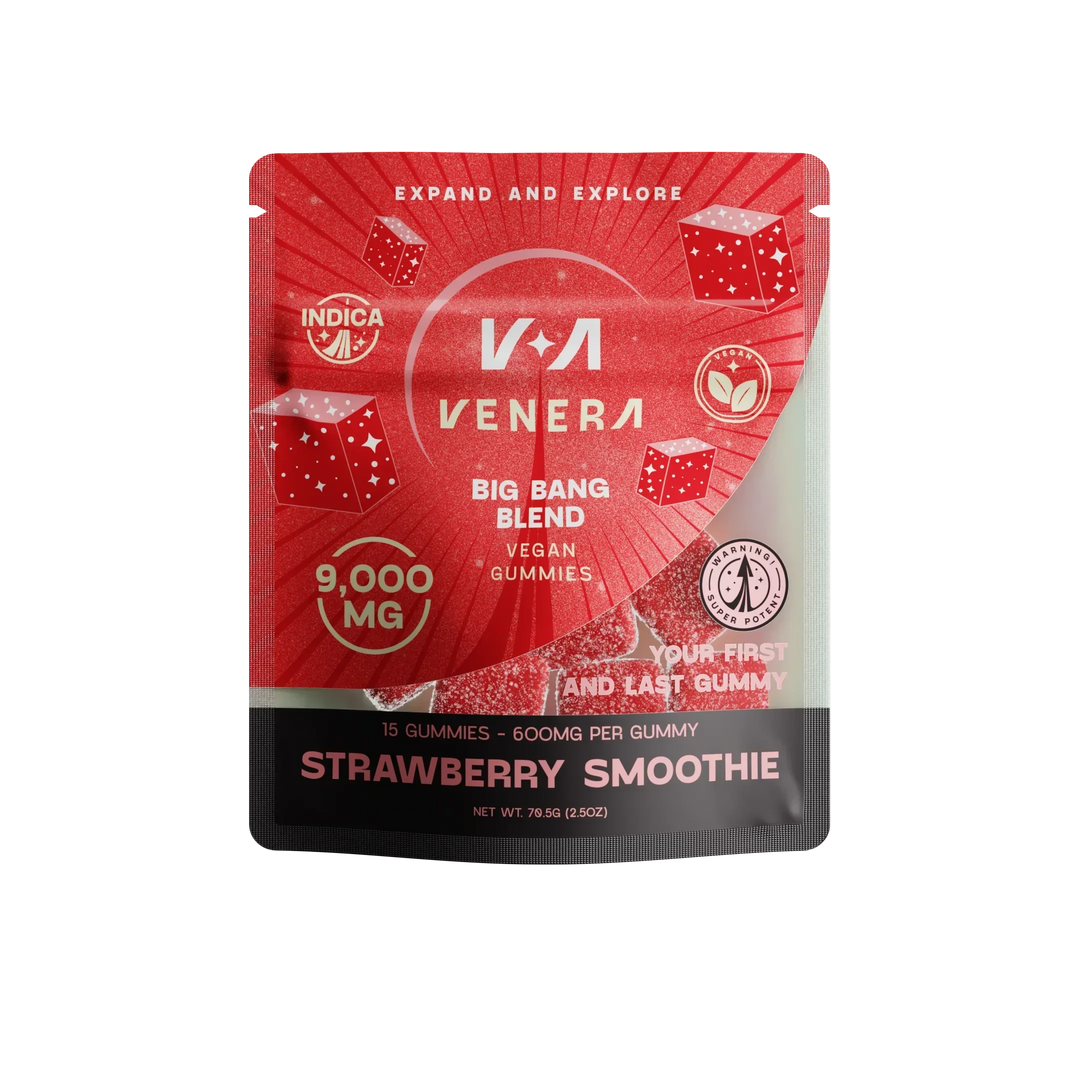
If you’re ready to shop smarter and level up your edible game, check out Venera Factory for curated picks, including venera gummies and other modern essentials built for people who actually live the lifestyle.
Contact us to get product help, COA questions answered, or recommendations based on your tolerance and vibe.
Frequently Asked Questions
What are THCA gummies and how are they different from THC gummies?
THCA gummies are edibles marketed around THCA, a non-intoxicating cannabinoid in raw cannabis that can convert to delta-9 THC with heat. THC gummies (like d9 thc gummies) contain active THC formulated for classic edible effects. The real difference comes down to the product’s actual cannabinoid profile shown on the COA.
Do THCA gummies get you high?
THCA itself is typically non-intoxicating, but some THCA gummies may contain delta-9 THC and other cannabinoids that can produce noticeable effects. Always check the COA for delta-9 THC content and serving size. Effects vary widely by dose, metabolism, and whether the formula uses fast-acting tech.
How long do THCA gummies take to kick in?
Edible onset commonly ranges from 30–120 minutes depending on your stomach contents and metabolism (NIDA, 2024). Some fast-acting formulations may feel quicker, but you should still wait at least 2 hours before taking more. Double-dosing is the #1 avoidable mistake.
What dose should beginners start with for THCA or d9 gummies?
Many beginners start with 2.5–5 mg THC-style dosing when applicable and wait 2 hours to evaluate. If the gummy is high-potency, start with a fraction of one piece. If you’re unsure, choose a lower-dose product with clear labeling and batch COAs.
Are there vegan THCA gummies or vegan THC edibles?
Yes, vegan thc edibles are common in 2026 and typically use pectin instead of gelatin. Always confirm vegan claims on the label and check for hidden animal-derived ingredients. Also review sweeteners if you have stomach sensitivity.
How do I know I’m buying the best THCA gummies online?
Use a checklist: batch-matched COA, complete contaminant testing, clear dosing, and a brand with real contact info and policies. Avoid products with missing labs or exaggerated medical claims. In 2026, transparency is the strongest quality indicator you can verify fast.
Are THCA gummies legal in my state?
Legality varies by state and can change quickly, even for hemp-derived products. Check your local laws and the seller’s shipping restrictions before ordering. If you’re traveling, don’t assume legality transfers across state lines.
Should I choose THCA gummies or d9 THC gummies for sleep?
Many consumers prefer blends that include CBN and calming cannabinoids for night use rather than relying on one compound. d9 THC gummies can be effective but may feel too strong for some people, especially at higher doses. Look for purpose-built “night” formulas with clear dosing and testing.
Can I take THCA gummies every day?
Daily use can increase tolerance and reduce the perceived effects over time. If you’re using regularly, consider lower doses, scheduled breaks, and tracking how you feel. If you have health conditions or take medications, consult a qualified clinician before routine use.
What should I avoid on THCA gummy labels?
Avoid products with no COA, unclear serving size, or “miracle cure” medical claims. Be cautious with “insanely high potency” claims that don’t match lab reports. If the brand can’t prove what’s inside, you’re gambling.