
How to Choose a High-Quality THCA Vape Online 2026
Counterfeit vapes are still flooding the market, and the stakes are real: the CDC has tracked thousands of vaping-related lung injury cases historically, with 2,807 hospitalized EVALI cases and 68 deaths reported in the U.S. outbreak (CDC, 2020). The industry learned a lot since then, but in 2026 the online THCA space is hotter than ever, and bad actors still chase viral demand with sketchy carts, fake lab PDFs, and mystery oil. If you’re shopping thca vape online, you need a sharper filter than “looks legit” and “hits hard.”
This guide breaks down how to verify lab-tested vape claims, spot the difference between clean oil and filler soup, choose the best thca vape for your vibe, and avoid the common traps that burn wallets and lungs. You’ll also get a practical checklist you can use in under 5 minutes before you buy.
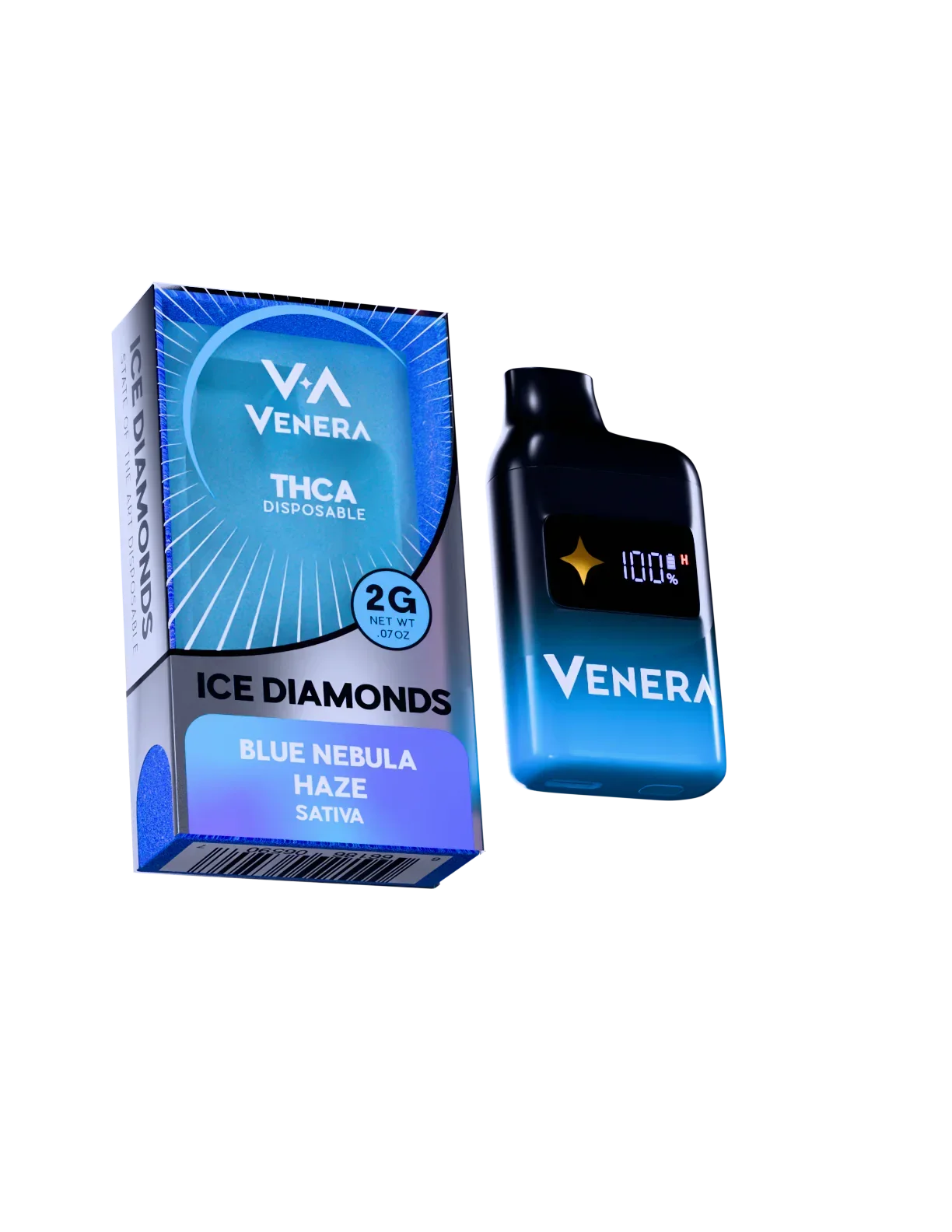
What you’re actually buying when you buy THCA vapes online
THCA is the “raw” form of THC found in cannabis. On its own, THCA isn’t intoxicating the way delta-9 THC is. But when heated (like in a vape coil), THCA can convert via decarboxylation into delta-9 THC. That’s why THCA vapes can feel like the real deal.
THCA oil vs. “THCA + stuff” blends
In 2026, most thca vapes online fall into a few buckets: high-THCA extracts, THCA + terpene blends, or mixed cannabinoid formulas. The quality gap is usually about what else is inside the cartridge.
Why legality and compliance language matters in 2026
Don’t let hype copy do your thinking. Online listings should be clear about hemp sourcing, delta-9 THC compliance (where applicable), shipping limits, and age verification. If a site hides behind “for research purposes” while marketing effects like a dispensary, that’s a credibility red flag.
Use this “quality stack” to choose the best THCA vape
Here’s the truth: the best thca vapeisn’t just the strongest. It’s the cleanest, most consistent, and least likely to ruin your day with harsh hits or headaches. Use this quality stack to compare products fast.
1) Oil type and extraction method
Look for sellers who say what the oil actually is: live resin, cured resin, rosin, distillate, or “diamonds in sauce” style blends. In general:
2) Hardware matters more than people admit
Cheap carts can leach metals, clog, burn terps, and waste oil. A high-quality vape should specify:
3) Potency is a number, not a vibe
Don’t buy based on “99% THCA” banners alone. Ask: What’s the total cannabinoids? What’s the delta-9 THC after conversion potential? Is there a terpene percentage listed? A strong product without a terpene balance can feel harsh and one-note.
Red flags when buying THCA vape online (and what to do instead)
If you remember one section, make it this. Most bad buys are predictable.
What to do instead (the safer play)
Also keep perspective on risk: youth vaping remains a major public health focus. The FDA reported 1.63 million U.S. middle and high school students used e-cigarettes in 2024 (FDA/CDC NYTS, 2024). That ongoing pressure continues to shape enforcement, shipping practices, and platform rules in 2026. Legit sellers operate tighter, not looser.
2026 market trends shaping THCA vapes online (what’s hot, what’s getting phased out)
May 2026 energy: the market is louder, more regulated by platforms, and more quality-signal driven. Consumers want effects andreceipts.
Trend 1: stronger documentation and “trust UX”
Retailers are building smoother COA experiences: scannable QR, batch lookups, and contaminant dashboards. This tracks with broader consumer behavior: 85% of consumers read online reviews before making a purchase (BrightLocal, 2024), and vapes are a review-heavy category. Trust signals convert.
Trend 2: hardware quality as a differentiator
More brands are calling out ceramic tech, clog resistance, and voltage ranges. That’s not fluff. Better hardware protects flavor and reduces waste. Expect premium lines to lean into performance specs like a sneaker drop: materials, airflow, heat curve.
Trend 3: “clean” formulations win
Ingredient transparency is becoming a dealbreaker. “No PG, VG, PEG, MCT” positioning is common, and consumers are learning to ask for residual solvent and heavy-metal results, not just potency.
Trend 4: platform enforcement and shipping friction
Payment processors, ad platforms, and marketplaces continue tightening rules around cannabinoid vapes. Brands that survive are building owned channels, email and SMS lists (with compliant age gates), and strong retention flows.
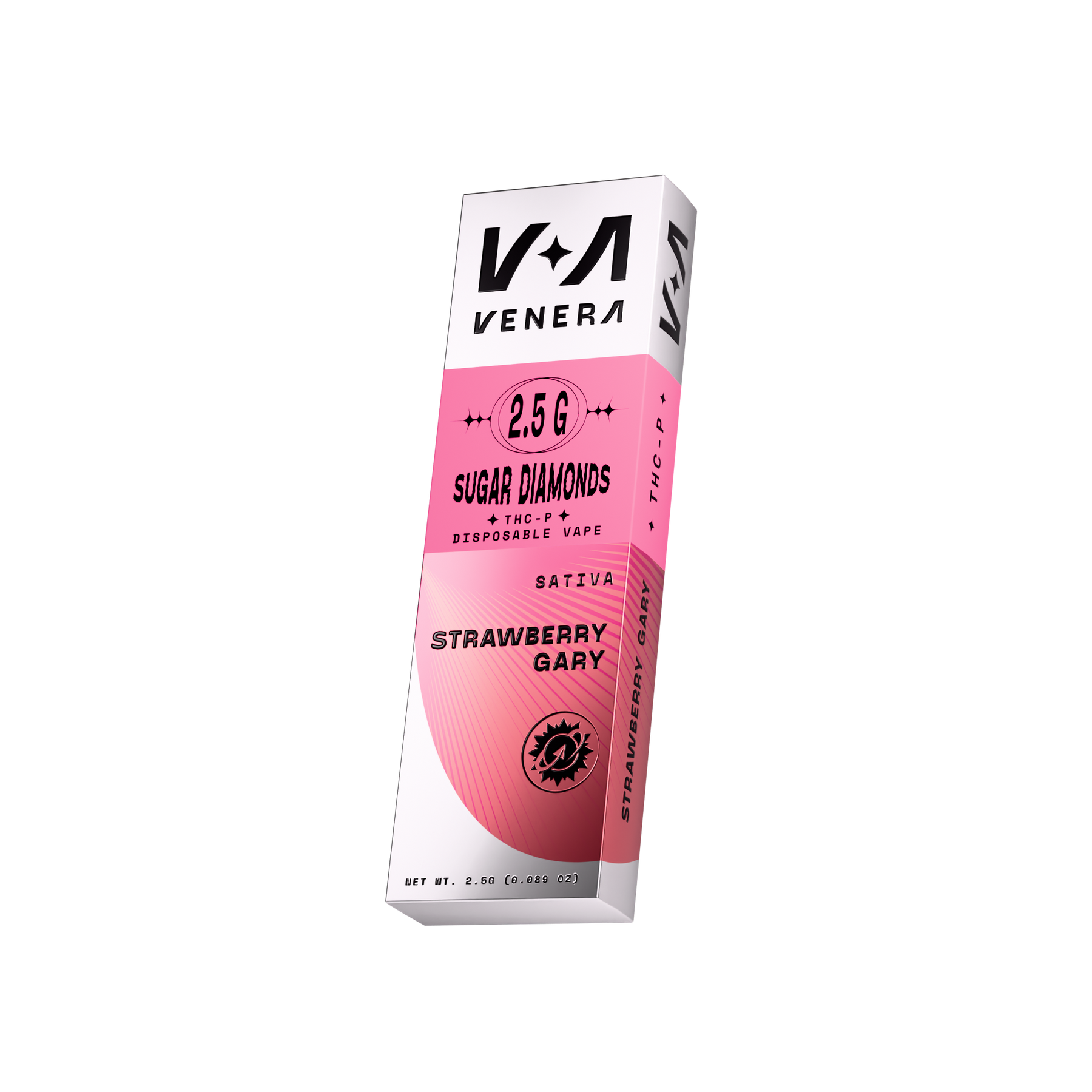
Comparison table: how to judge THCA vape listings in under 5 minutes
Use this table like a street-smart scorecard. If a listing can’t pass the basics, it doesn’t deserve your money.
|
Quality signal |
What “good” looks like |
Red flag |
What to do |
|---|---|---|---|
|
COA access |
QR/link to batch COA + ISO 17025 lab info |
PDF with no batch match or no lab details |
Ask support for batch COA; if they stall, bounce |
|
Contaminant testing |
Heavy metals, pesticides, residual solvents, microbials listed |
Only potency shown |
Only buy full-panel or clearly stated test scope |
|
Ingredients |
Oil type + terpene source disclosed |
“Proprietary blend,” “liquidizer,” vague additives |
Choose transparent formulas, carrier-free when possible |
|
Hardware |
Ceramic coil, glass tank, reputable cart/disposable platform |
No hardware info, frequent clog complaints in reviews |
Favor brands that spec materials and voltage guidance |
|
Price realism |
Pricing aligns with extract type and testing |
Deep discounts with no explanation or constant “90% off” |
Compare 3 brands; avoid deals that feel fake |
Pro tips and common mistakes to avoid (so you don’t get played)
Mistake: buying the highest percentage without checking the full panel
A “90% THCA” vape with weak terps and no contaminant results is not elite. It’s a gamble. Best practice: look for balanced reporting, not just top-line potency.
Mistake: ignoring storage and shipping conditions
Heat wrecks terpenes and can darken oil. If your package arrives hot and the oil looks oxidized, flavor and smoothness drop. Pro move: buy from retailers who ship fast, use insulated packaging in warm months, and clearly state replacement policies.
Mistake: using the wrong voltage (and blaming the vape)
High voltage can scorch terps and make even good oil taste like burnt popcorn. If you’re on a 510 battery, start low (often 2.2V to 2.8V range depending on oil viscosity and hardware) and step up slowly. If it’s a disposable, take shorter pulls and let the wick recover.
Mistake: skipping brand due diligence
Check reviews on and off the site, search the brand name + “COA” + “fake” + “clogging.” Remember: reviews influence outcomes because they reveal consistency issues. BrightLocal found 73% of consumers only pay attention to reviews written in the last month (BrightLocal, 2024), so prioritize fresh feedback.
Pro tip: build your own “2-cart rotation”
If you vape regularly, keep one flavor-forward option (live resin/rosin style) and one heavier nighttime option. This reduces tolerance boredom and helps you avoid chain-hitting one cart into flavor death.
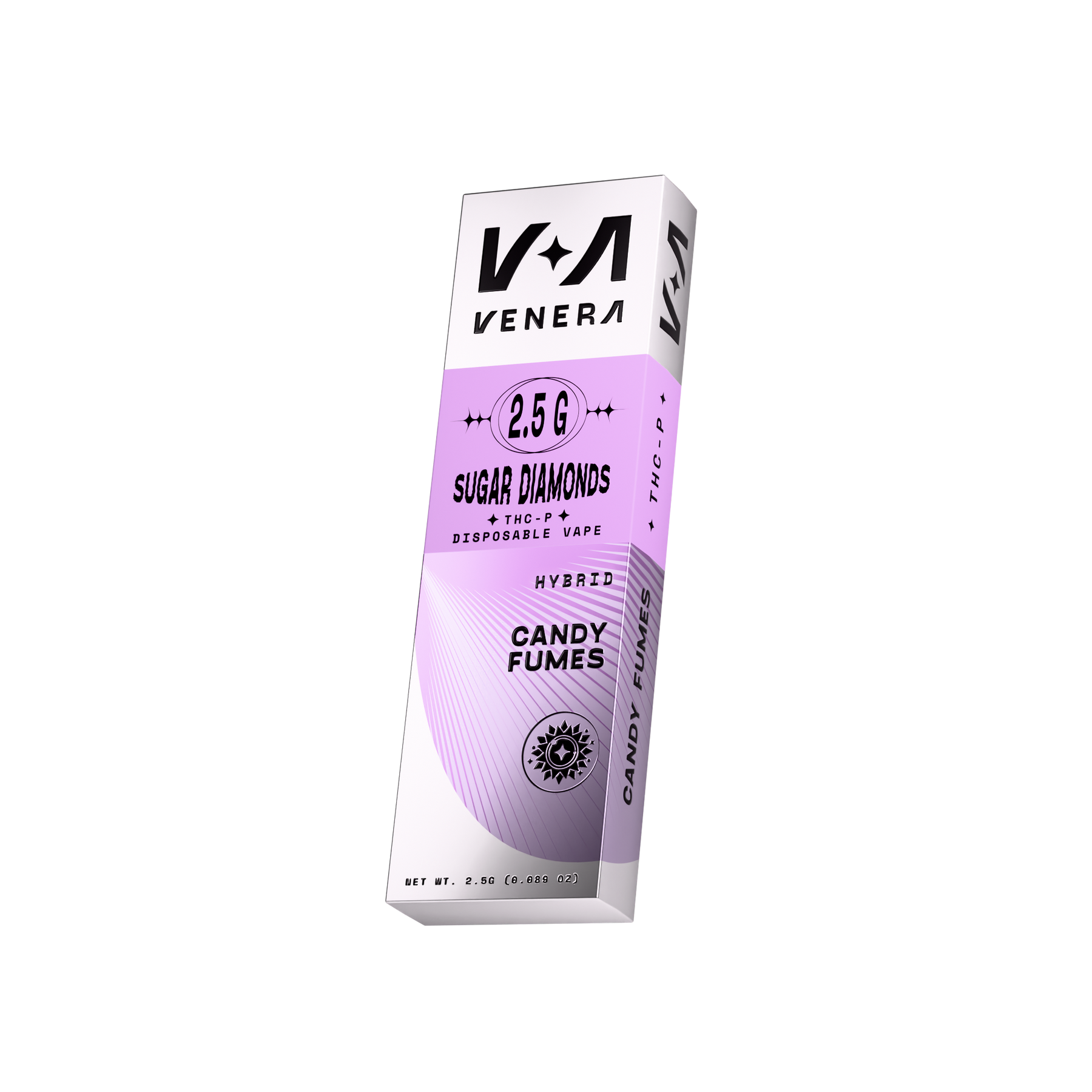
Real-world buying scenarios (what to choose and why)
Scenario 1: “I want the cleanest option, I’m sensitive to harsh hits”
Choose a cartridge with ceramic hardware and a product that clearly states solventless (rosin) or a well-documented resin extract with full-panel testing. Avoid mystery terp blends and anything that tastes like perfume. If you’re sensitive, prioritize lower terp aggression and cleaner heat.
Scenario 2: “I want the strongest effects per hit”
Look for high total cannabinoids and a COA that shows THCA plus measurable supporting cannabinoids, not just a single huge number. Also verify the device can deliver consistent heat. Strong oil in weak hardware is wasted potential.
Scenario 3: “I’m traveling and need a reliable disposable”
Pick disposables that disclose oil type, battery capacity, and charging type, and have consistent review history. Verify the return policy for DOA devices. Convenience is the point, but you still need documentation and contaminant testing.
Scenario 4: “My cart keeps clogging, what should I do?”
Clogging is often viscosity + airflow + temperature. Store upright, keep it out of hot cars, and use lower voltage with shorter pulls. If clogging is a pattern across reviews, it’s a hardware issue: switch brands or choose a different cart platform.
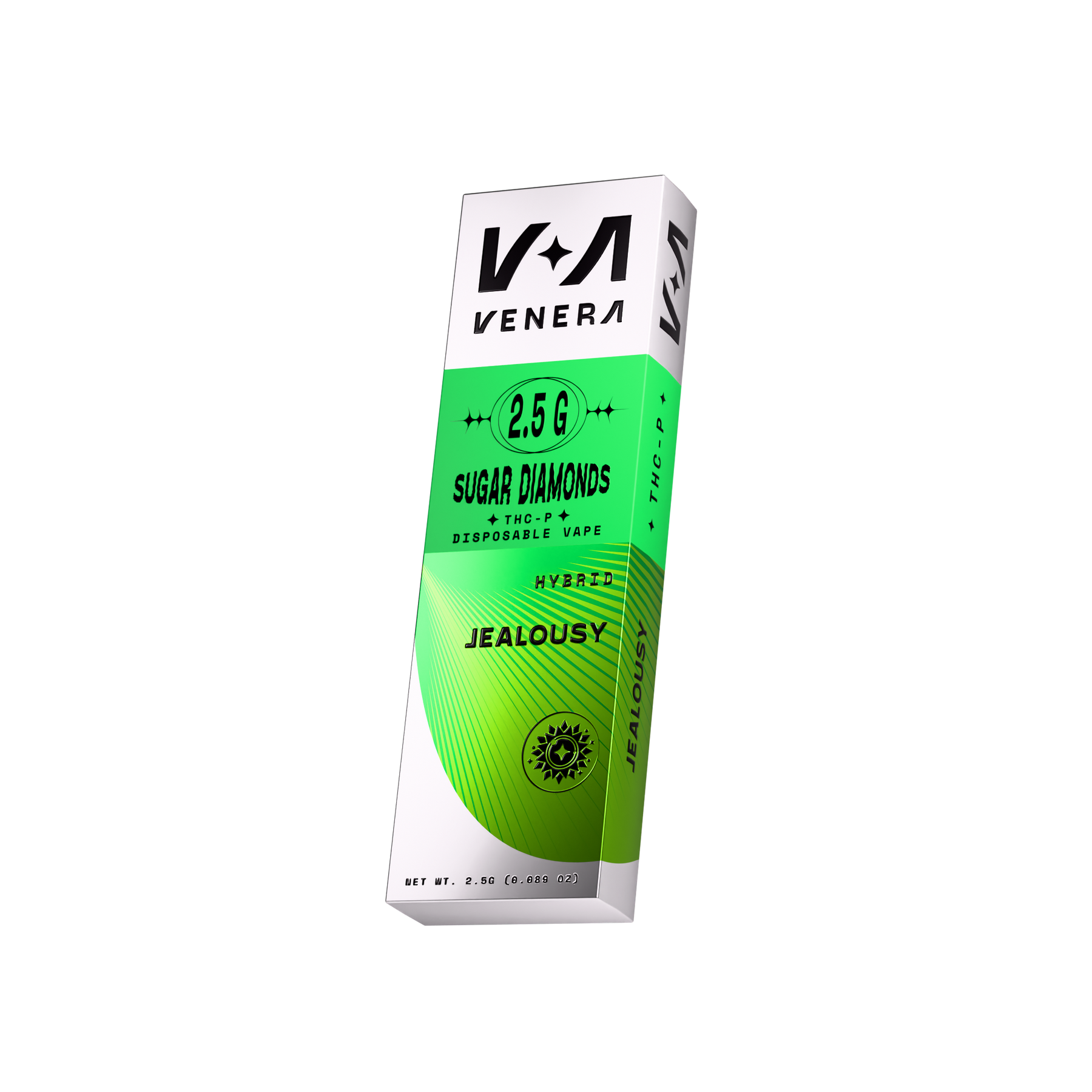
Conclusion
If you’re ready to shop thca vape online without getting finessed, keep it clean, keep it verified, and keep it consistent. Want help picking a lineup that matches your taste and tolerance? Tap in with Venera Factory and we’ll point you to options that bring the heat without the sketch.
Contact us to get product recommendations, COA help, and order support.
Frequently asked questions
What is a THCA vape, and will it get you high?
A THCA vape contains tetrahydrocannabinolic acid, which can convert to delta-9 THC when heated. Because vaping involves heat, many users experience effects similar to THC. Always check the COA for cannabinoid breakdown and shop within your local rules.
How do I verify a lab tested vape online is legit?
Look for a batch-specific COA that includes contaminants testing and lab accreditation details (often ISO/IEC 17025). The batch/lot on the COA must match the product you’re buying. Avoid brands that only show potency without pesticides, heavy metals, or residual solvents.
What should be on a COA for THCA vapes online?
A strong COA includes cannabinoids plus safety panels: heavy metals, pesticides, residual solvents, and microbiologicals. It should show the lab name, test date, sample ID, and batch number. If any of those are missing, treat it as incomplete documentation.
What’s the best THCA vape for beginners?
Beginners usually do better with a balanced formula and smoother hardware, like a ceramic cartridge, rather than chasing maximum potency. Start with small pulls and give it time before taking more. Choose a product with clear labeling and full-panel testing so you know what you’re inhaling.
Are botanical terpenes safe in THCA vapes?
Botanical terpenes are common, but quality varies a lot. The key is transparency about formulation, realistic terpene percentages, and clean testing. If a vape tastes overly perfumed or causes irritation, switch to cannabis-derived terpenes or a lower-terp profile.
Why do some THCA vapes clog or leak?
Clogging often happens due to thick oil, weak airflow design, or poor storage (like leaving it on its side). Leaks can be seal quality or temperature swings during shipping and storage. Buying better hardware and storing upright in a cool place reduces both issues.
How can I tell if a THCA vape is counterfeit?
Common signs include missing batch COAs, packaging that doesn’t match official brand photos, and prices that are unrealistically low. Counterfeits also tend to have inconsistent oil color and harsh, chemical-like flavor. When in doubt, buy from a reputable retailer with verifiable documentation and support.
Should I choose a 510 cartridge or a disposable THCA vape?
510 cartridges let you control voltage, which can improve flavor and reduce burnt hits. Disposables are convenient but you’re locked into the device’s settings and quality. If you care about consistency and control, 510 usually wins; if you care about grab-and-go, choose a documented disposable.
Can I fly or travel with a THCA vape bought online?
Rules vary a lot by jurisdiction and carrier policy, and enforcement can be unpredictable. Even if a product is hemp-derived, local laws at your destination matter. If you travel, research current rules for your route and consider leaving vapes at home to avoid legal risk.
What’s the safest way to buy THCA vape online in 2026?
Use retailers who provide batch-specific COAs with full safety panels, clear ingredient disclosure, and strong customer support. Avoid marketplaces or sellers with vague listings and no age verification. If the brand can’t prove what’s inside, don’t inhale it.