
How To Choose The Best THCA Flower Strain For Your Preferences 2026
Picking a thca flower strain in 2026 is not just “indica vs sativa” vibes anymore. The market got louder, faster, and way more competitive, and shoppers are demanding receipts. In fact, U.S. CBD (hemp) sales hit $7.6B in 2023 and are projected to climb to $16.0B by 2030 (Grand View Research, 2024), which means more brands, more SKUs, and more “exotic” hype than ever. Add rising enforcement pressure around hemp-derived cannabinoids and stricter retailer compliance, and choosing the right flower becomes a strategy move, not a guess. This guide breaks down how to match effects, flavor, potency, and budget to your personal preferences, plus how to spot premium quality with lab-proof confidence.
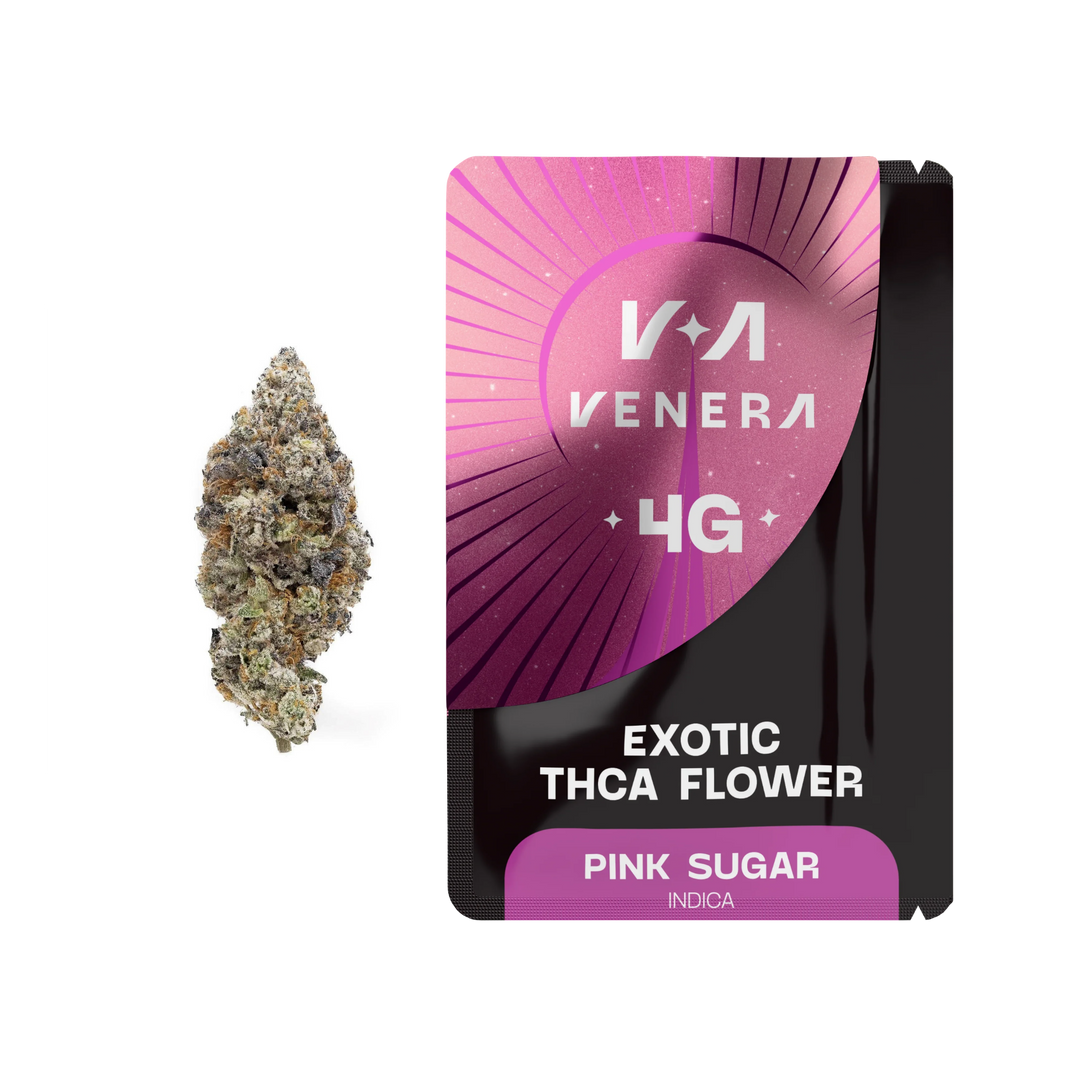
Start with your “why”: the effect you actually want
Before you chase best selling strains or the newest exotic THCA flower drop, lock in your goal. Most bad buys happen because people shop by name instead of outcome. Your “why” should dictate everything: terpene profile, potency range, harvest freshness, and even the ideal consumption method.
Match strains to mood goals (without the fake certainty)
Even with consistent genetics, flower experiences vary by dose, tolerance, and terpene sensitivity. What you can do is stack the odds. Use this as a practical starting point and then adjust with your own notes after 2 to 3 sessions.
Pro move: pick your “sweet spot” potency band
Ultra-high THCA is not automatically “better.” Many shoppers report better daily usability at mid-to-high potency with rich terps. A useful approach: pick a band (example: 18 to 24% THCA) and shop within it, then graduate up only if you consistently feel underwhelmed.
Understand what THCA is (and why it changes how you shop)
THCA is the non-intoxicating acidic precursor that can convert to THC when heated. That’s why THCA strains are often marketed for “legal hemp” channels while still being positioned for a traditional smoking experience. The shopping implication is simple: you must care about lab testing, storage, and freshness more than you would with generic flower.
Why COAs matter more in 2026 than ever
Compliance heat has been rising. Regulatory pressure around hemp-derived intoxicants has accelerated at the state level, and retailers are tightening SOPs. For broader context, 38 states plus D.C. had comprehensive medical cannabis programs by early 2024 (NCSL, 2024), while adult-use access continues expanding. That split market increases “gray zone” confusion, so legit brands lean harder on transparent COAs and batch tracking.
Decarb reality check (don’t overthink the math)
You’ll see people online doing conversion formulas from THCA to THC. That can be useful for estimates, but your real-world experience depends on burn/vape temperature, session length, and tolerance. For buying decisions, prioritize consistent batch quality over “highest possible theoretical THC.”
Terpenes are the steering wheel: choose flavor and vibe on purpose
If cannabinoids are the engine, terpenes are the steering wheel. In 2026, premium thca flower is increasingly sold with terpene-forward marketing because shoppers are learning that aroma and effect “direction” often correlate more with terps than with raw THCA percentage.
How to shop terpenes online (when you can’t smell it)
Online shopping is the lifestyle now. Global ecommerce is projected to reach $6.86T in 2025(Statista, 2024), and hemp retailers are riding that wave with faster drops and smaller batch rotations. Your workaround for “no nose test” is to demand terpene data and learn the brand’s consistency.
Premium vs exotic: what you’re really paying for
“Premium” and “exotic” are thrown around like confetti. Your job is to translate the hype into measurable quality signals. In practice, premium thca flower tends to mean consistent cultivation, clean trims, strong terpene expression, and solid COAs. Exotic thca flower typically means rarer genetics, louder bag appeal, and limited runs.
How “best selling strains” can fool you
Best-selling doesn’t always equal best for you. Sales velocity can be driven by discounting, influencer pushes, or limited inventory scarcity. Use best sellers as a shortlist, then filter with your goals: terpene direction, potency band, and COA cleanliness.
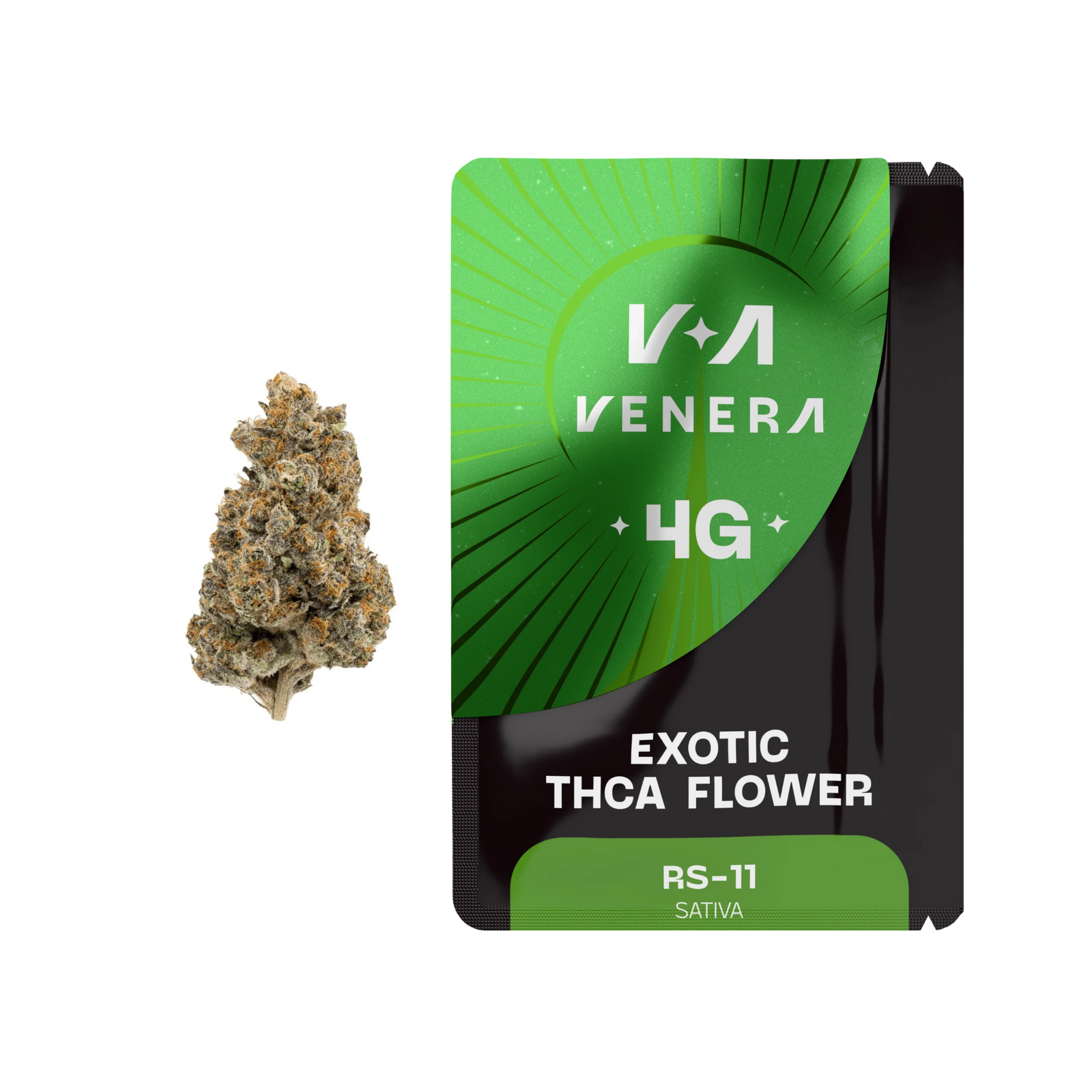
Data-driven buying: a quick comparison table you can use every time
Use this table like a scorecard. If a strain can’t clear the basics, it’s not “premium,” it’s just priced premium. This is also how you protect yourself from stale inventory and mystery batches.
|
Buying factor |
What “good” looks like |
What to avoid |
Quick decision rule |
|---|---|---|---|
|
COA recency + match |
Batch-specific COA, dated within ~6–12 months |
Generic COA, no batch ID, or missing pages |
If batch ID doesn’t match, skip |
|
Contaminant testing |
Microbials, heavy metals, pesticides listed |
Only cannabinoids tested |
Premium requires full-panel or near full-panel |
|
Terpene transparency |
Total terpene % + top terpenes listed |
No terpene data |
No terp data = gamble tax |
|
Freshness signals |
Harvest/pack date shown; sealed jar/bag |
Dry, airy packaging; no dates |
If it ships “crumbly,” don’t reorder |
|
Price logic |
Higher price justified by genetics, cure, labs |
High price with weak proof |
Pay for proof, not adjectives |
Benchmark reality: In the broader cannabis market, price compression has been a major theme. For example, the average price per pound of wholesale cannabis in California dropped about 25% year-over-year in 2023(California Department of Cannabis Control, 2024). Hemp-derived THCA flower exists in a different channel, but the same pressure shows up: brands compete harder, and your best defense is verified quality, not marketing noise.
What’s changing in 2026: trends that impact how you choose THCA strains
May 2026 shoppers are living in a faster cycle: micro-batches, weekly drops, and “sold out in hours” culture. At the same time, compliance expectations are tightening, and platforms are less forgiving with restricted products. Translation: you need a smarter decision system.
Trend 1: Terpene-first buying is going mainstream
More retailers now list terpene data because it converts. You see it in menus, product pages, and “flavor notes” sections. The winning move is to track your top 2 to 3 terpenes and buy around them, not around strain names alone.
Trend 2: Smaller runs, faster freshness decay
Limited drops create urgency, but they also shorten reorder windows. Build a rotation: one daytime-friendly strain, one balanced, one night strain. When your favorite returns, you restock confidently instead of panic-buying random exotics.
Trend 3: Retail trust is a differentiator
Consumers are increasingly wary of mislabeled or under-tested products. That lines up with broader consumer behavior: 73% of U.S. consumers say they are willing to pay more for products that offer complete transparency (NielsenIQ, 2023). In 2026, brands that show full-panel testing, batch photos, and consistent descriptions win repeat business.
Conclusion
Choosing the right thca flower strain in 2026 is about stacking proof: effects goals, terpene direction, lab transparency, and real freshness. The hype is loud, but your system should be louder.
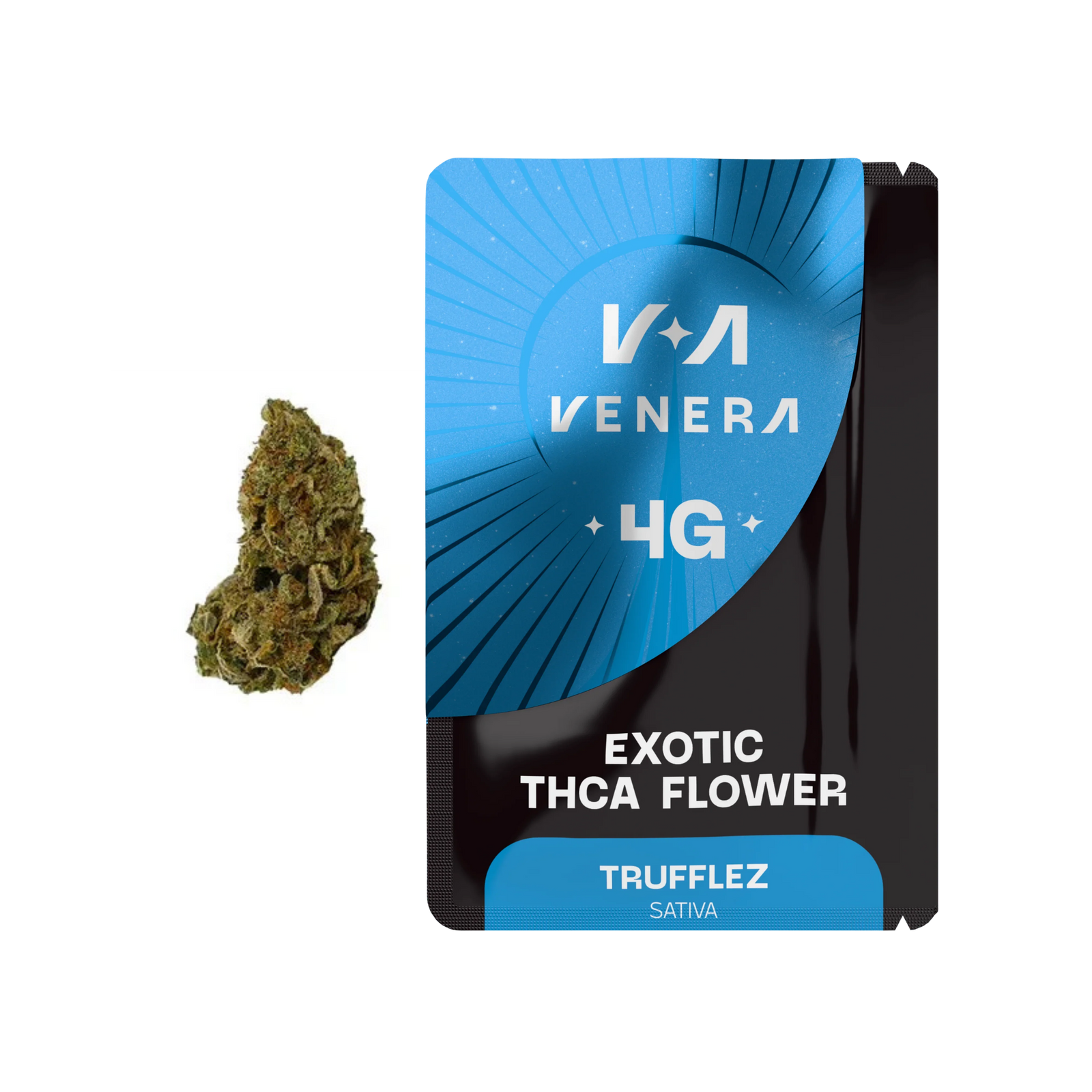
If you want premium thca flower and exotic thca flower that actually backs up the talk, keep it locked with Venera Factory. We curate strains for loud flavor, clean labs, and that “one more bowl” energy.
Contact us for strain recommendations, current best selling strains, or help choosing thca strains that match your vibe and budget.
Frequently asked questions
What is the best THCA flower strain for beginners?
A good beginner-friendly thca flower strain is usually mid-potency with clear terpene info and a clean COA. Look for balanced terpene profiles and start with small quantities so you can learn what works for your body. Avoid buying only based on the highest THCA percentage.
How do I choose between premium THCA flower and exotic THCA flower?
Premium thca flower should prove quality through freshness, strong terpene expression, and complete lab testing. Exotic thca flower typically adds rare genetics and limited runs, but it should still come with the same lab transparency. If “exotic” is just a label with no terp data, treat it like a risk purchase.
Do best selling strains mean they are the best quality?
Not always. Best selling strains can be driven by discounts, influencer marketing, or limited inventory drops. Use best sellers as a shortlist, then verify COAs, terpene data, and packaging quality before you buy.
Should I pick THCA strains based on THCA percentage alone?
No. THCA % is only one variable, and many people prefer slightly lower potency with higher terpene content for better flavor and a more controlled experience. A smart approach is choosing a potency band and prioritizing terpene profile and lab results.
How can I tell if a thca flower strain is fresh when shopping online?
Check for harvest or pack dates, sealed packaging, and buyer reviews mentioning strong aroma and non-dry texture. Fresh flower typically smells loud when cracked open and doesn’t crumble into dust. If the product page hides dates and terpene info, assume it may be older stock.
What lab tests should premium THCA flower include?
At minimum, cannabinoids plus contaminant screening. Ideally you want microbials, heavy metals, and pesticides, along with a terpene panel. In 2026, full-panel testing is a major trust signal for premium thca flower purchases.
Can I travel with THCA flower?
Rules vary by location and can change fast, so check local and state laws before traveling. Even if something is marketed as hemp-derived, enforcement and interpretations differ. When in doubt, don’t travel with it and avoid risky assumptions.
When should I choose small buds vs top-shelf nugs?
Small buds are great for value and testing new thca strains without paying top-shelf pricing. Top nugs are usually chosen for bag appeal, stronger terpene expression, and a more “premium” presentation. If you care most about flavor, top nugs often win, but small buds can still smoke great if the batch is fresh.
How do I find my personal “ideal” strain type quickly?
Run a simple 3-strain sampler: one citrus/pine-forward option, one balanced/gassy option, and one heavier floral/earthy option. Track taste, intensity, and after-feel across two sessions each. In one week, you’ll know your direction way better than guessing from strain names.
What’s the biggest red flag when buying THCA flower online?
The biggest red flag is a COA that doesn’t match the batch number or is missing contaminant testing. The second red flag is zero terpene transparency paired with high “exotic” pricing. If the brand can’t prove it, don’t fund it.