
THCA Gummies vs THC Edibles: How To Choose The Right High In 2026
Edibles are no longer a “nice-to-try.” They are a main character. U.S. cannabis sales are still heavily led by flower, but edibles keep winning wallet share because they are discreet, consistent, and vibe-friendly for modern routines. In fact, edibles represent roughly 10% to 12%of U.S. legal cannabis sales depending on the market and period (Headset, 2025). And if you are shopping in 2026, the real question is not “edibles or not.” It is which lane: thca gummies or traditional THC edibles.
This guide breaks down what THCA is (and what it is not), how it compares to THC gummies online, what effects you can realistically expect, how to dose like a grown-up, and what to look for when you order THC gummies online. You will leave with a decision framework, a checklist, and pro tips you can use today.

Quick reality check: THCA vs THC is about chemistry, heat, and expectations
Let’s get this straight: THCA is the acidic precursor to THC. In raw cannabis, THCA is abundant. When you apply heat, THCA can convert into THC via decarboxylation. That one detail is why “THCA gummies” can be confusing in 2026.
What THCA is (simple version)
THCA (tetrahydrocannabinolic acid) is a cannabinoid found in raw hemp and cannabis. It is notthe same molecule as Delta-9 THC. In many consumer discussions, THCA is described as “non-intoxicating” unless heated, because conversion to THC requires heat/time.
What THC edibles are (simple version)
Traditional THC edibles are formulated with activated cannabinoids, usually Delta-9 THC, and sometimes include other hemp-derived cannabinoids. They are intended to deliver psychoactive effects through digestion and liver metabolism.
Why this matters for gummies
Gummies are not typically heated at high temperatures when you consume them. So if a product is truly “THCA-forward” and not already decarbed, the intoxication profile may differ from a standard Delta-9 edible. Your choice comes down to your desired effect, tolerance, and how the product is formulated, not just the label.
What you will feel: effects, onset, and duration (the real user experience)?
Most shoppers don’t want a chemistry lecture. They want to know: “How does it hit?” The short answer is that standard THC edibles are more predictable for classic psychoactive effects, while thca gummies can vary widely depending on formulation and the presence of activated THC.
Typical onset and duration
For traditional THC edibles, onset commonly starts in 30 to 120 minutes, with peak effects around 2 to 4 hours and total duration often 4 to 8+ hours, depending on dose, metabolism, and food intake. This aligns with clinical and public health guidance that edible effects are delayed and longer-lasting than inhalation (CDC, 2024; NIDA, 2024).
THCA gummy experiences are less standardized because the category includes: (1) THCA-only claims, (2) blends with Delta-9, Delta-8, or HHC, and (3) “total THC” formulations where THCA is part of the reported potency. Your body does not magically decarb gummies in the same way a flame does, so read the COA and ingredient list like your weekend depends on it.
Functional goals: pick your lane
Benchmark :In consumer education materials and state guidelines, a typical “standard dose” is often framed around 5 mg to 10 mg THC, with new consumers urged to start lower (public health guidance varies by state; see CDC, 2024 for general edible caution).
Legality and compliance in 2026: what changed and what to watch
In 2026, the hemp-derived cannabinoid market is more regulated and more scrutinized than it was a few years ago. Enforcement priorities keep shifting, and the “hemp loophole” conversation is still hot.
THCA and “total THC” labeling risk
Some jurisdictions and retailers treat THCA as part of “total THC” because THCA can convert to THC under heat. That means a product marketed as “hemp compliant” can still raise compliance questions if the COA shows high THCA and the interpretation includes conversion math. Don’t rely on a TikTok legal take. Read the COA, and consider local rules and retailer policies.
Online sales and shipping reality
When you shop for thc gummies online or order THC gummies online, reputable brands will be strict about age gates (21+ where applicable), shipping restrictions, and lab reports. The market has also seen stronger payment and ad platform enforcement, pushing brands to improve transparency and documentation to keep merchants, processors, and carriers happy.
THCA gummies vs THC edibles: side-by-side comparison table
Use this as your quick decision grid before checkout.
|
Factor |
THCA gummies |
Traditional THC edibles |
|---|---|---|
|
Main compound |
THCA-forward (may include other cannabinoids depending on formulation) |
Activated THC (often Delta-9), sometimes blended with minors |
|
“Classic high” predictability |
Variable; depends on whether THC is present/activated and how product is made |
Usually more predictable for psychoactive effects |
|
Onset & duration |
Can be inconsistent; read COA for THC content |
Commonly 30–120 min onset; 4–8+ hr duration (CDC, 2024) |
|
Compliance risk |
Higher ambiguity in some markets due to “total THC” interpretations |
Clearer if purchased in regulated adult-use/medical channels |
|
Best for |
Experienced shoppers who check COAs and want specific cannabinoid profiles |
Users who want consistency, familiar effects, and clearer dosing norms |
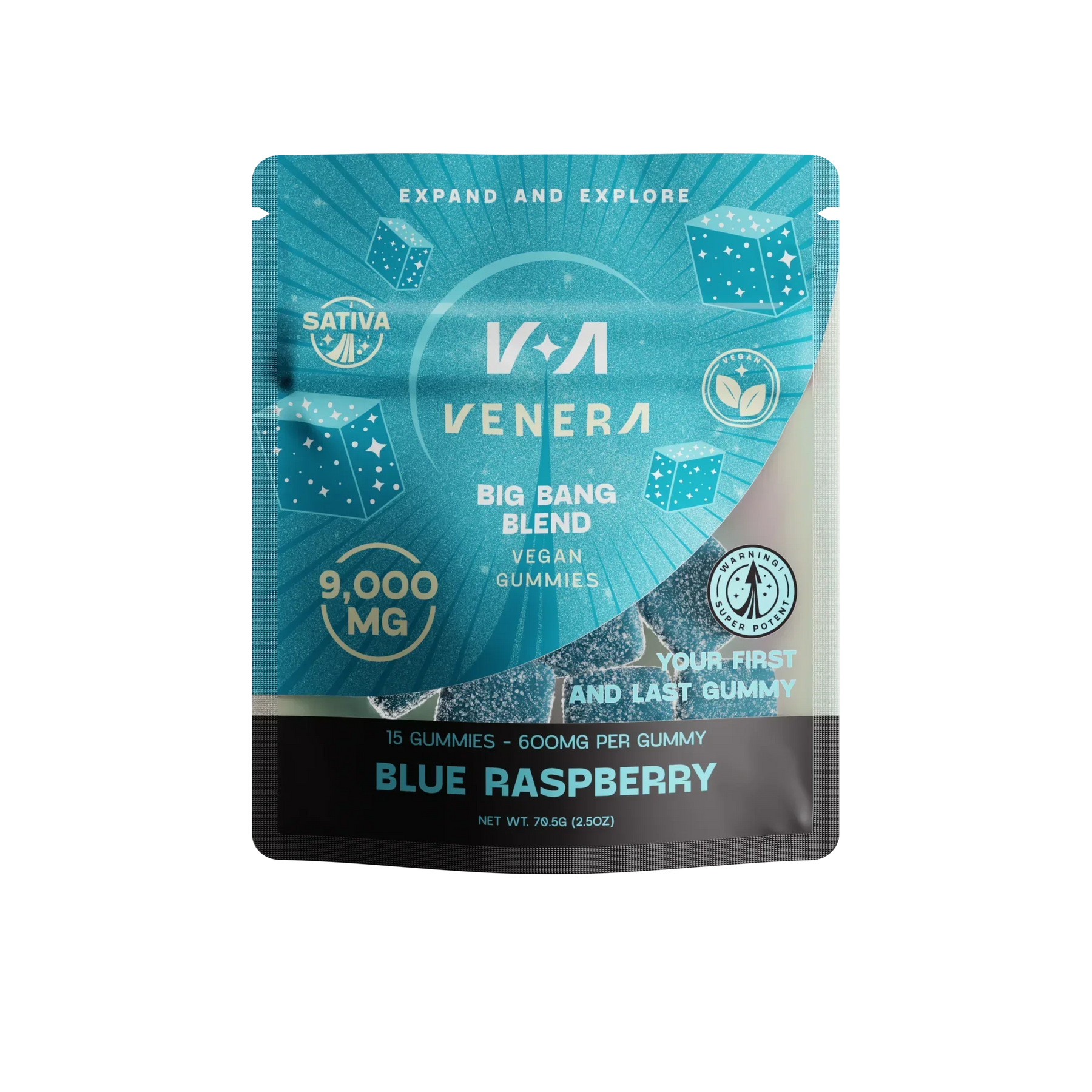
2026 buying trends: what’s hot, what’s fading, and what shoppers now expect
The edible aisle in 2026 is louder, cleaner, and more segmented. Brands that survive are the ones that stay transparent and focus on consistent effects, not just hype packaging.
Trend 1: low-dose and “sessionable” edibles keep rising
Consumers are increasingly choosing 2.5 mg to 5 mg THC formats to control impairment, especially for social use and weeknights. This maps to a broader moderation trend in adult wellness and “calibrated” consumption routines.
Trend 2: faster-onset tech and nano emulsions (with caveats)
Faster-onset edibles continue to expand, especially in beverages and gummies. The promise is quicker onset and more predictable timing, but quality varies. If a brand claims “15-minute onset,” you want to see consistency signals: clear formulation, strong reviews, and solid lab documentation.
Trend 3: compliance-first brands win online
As platforms and processors tighten rules, brands selling thc gummies online increasingly compete on documentation, lab access, shipping reliability, and customer support. In other words: the “mystery bag” era is fading, because shoppers are done gambling.
Trend 4: cannabinoid blends get more specific
Instead of vague “chill” claims, more products are positioning around targeted experiences using cannabinoids and terpenes. The best practice is still the same: shop by COA and dose, not by marketing adjectives.
Industry signal: In regulated cannabis markets, edibles remain a meaningful category, commonly around 10% to 12%of sales (Headset, 2025), which keeps innovation and competition aggressive going into late 2026.
Common mistakes to avoid (and the “do this instead” fixes)
You can have premium gummies and still have a bad night if you move sloppy. Here is what experienced buyers avoid.
Mistake 1: buying by total mg on the bag
Fix: Buy by mg per piece. A “500 mg” bag means nothing if you don’t know whether that’s 50 gummies at 10 mg each or 10 gummies at 50 mg each.
Mistake 2: not waiting long enough
Fix: Set a timer for 2 hours. Delayed onset is one of the main edible risks called out in public guidance (CDC, 2024). If you re-dose early, you can stack effects and overshoot.
Mistake 3: ignoring the COA contaminant panel
Fix :Look for full-panel testing. Potency without safety testing is not premium, it’s a coin flip.
Mistake 4: confusing THCA-forward with THC-free
Fix: If you are avoiding intoxication or THC exposure, don’t assume. Verify Delta-9 THC content and understand how the brand reports cannabinoids.
Mistake 5: mixing edibles with alcohol
Fix: If you must, go low and go slow. Combined impairment is harder to judge and can amplify nausea, anxiety, and poor decisions.
Real-world scenarios (so you can pick without overthinking)
Scenario 1: “I’m new, I want a weekend vibe, not a panic spiral”
Pick a reputable THC gummy with 2.5 mg to 5 mg THC per piece. Take one, eat a small snack, and wait 2 hours. Your win condition is control, not intensity.
Scenario 2: “I’ve got tolerance, I want something that hits consistently”
Stick with traditional THC edibles where the label and COA clearly show THC per piece and batch consistency. If you order THC gummies online, prioritize brands with repeatable batches and accessible lab reports.
Scenario 3: “I’m curious about THCA gummies, but I don’t want surprises”
Choose thca gummies only if the COA clearly lists Delta-9 THC, THCA, and any other cannabinoids. Start low anyway, because blends and conversion assumptions vary widely across products and jurisdictions.
Scenario 4: “I need discretion and don’t want smoke”
Either can work, but THC gummies are generally easier to dose precisely for a predictable effect curve. If discretion is your driver, also look for odor-proof packaging, clear serving sizes, and shelf-stable storage guidance.
Buying online in 2026: a checklist for safe, legit orders
Online shopping is convenient, but the internet is also where bad actors live. Use this list before you click “buy.”
Consumer safety context: Public health guidance continues to emphasize careful storage away from children and mindful dosing due to delayed onset (CDC, 2024). If a brand hides these warnings, that is not rebellious. That is reckless.
Conclusion
Choosing between thca gummies and THC edibles is not about trends, it is about control. In 2026, the brands that win are the ones that show their math, publish their labs, and deliver the same vibe every time.
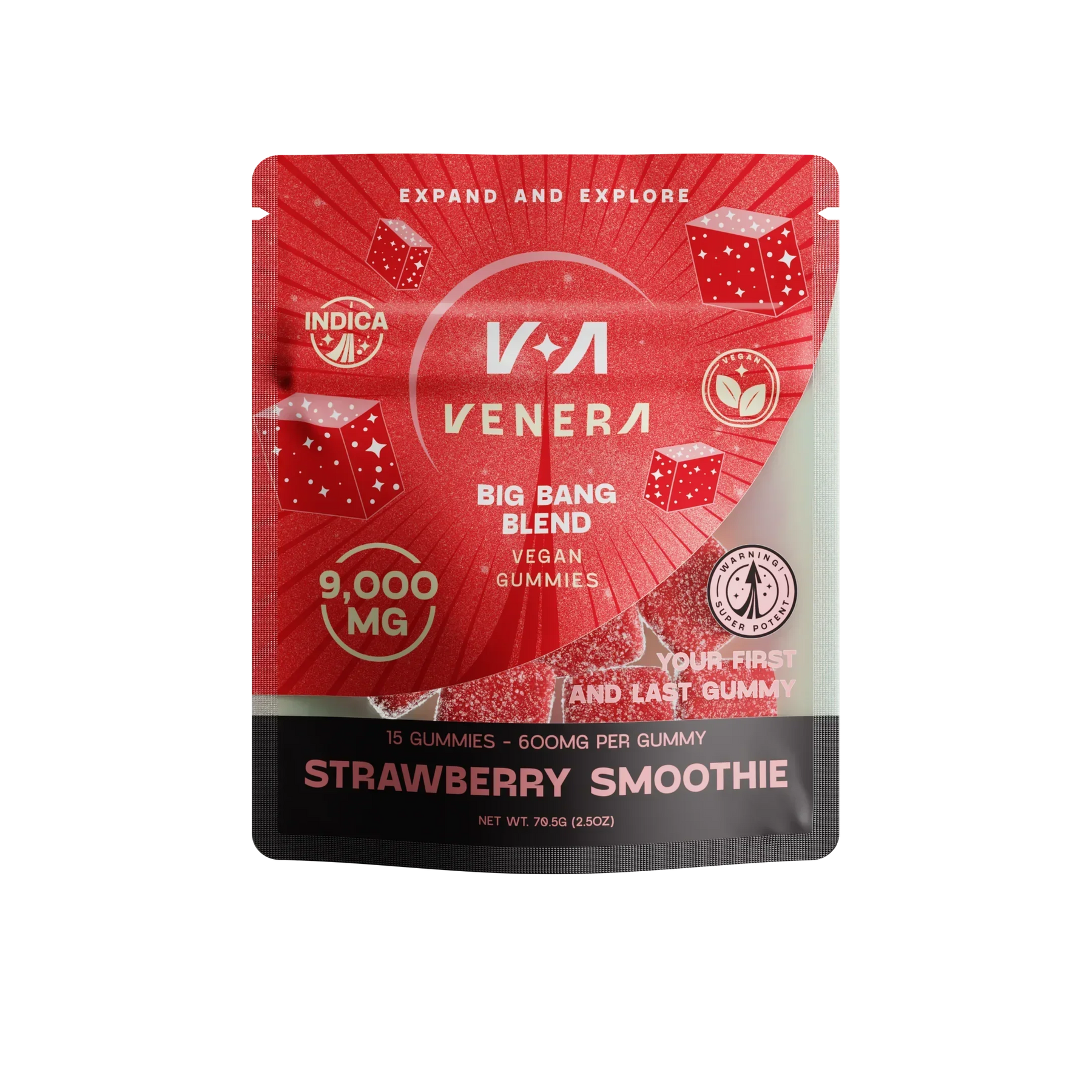
If you want gummies that hit clean and shop legit, tap into Venera Factory and explore our curated lineup of venera edibles built for consistency, flavor, and grown-folk dosing.
Contact us product questions, lab reports, and help picking the right gummy for your tolerance and goals.
Frequently asked questions
What are THCA gummies, exactly?
THCA gummies are edibles marketed around THCA content, the acidic precursor to THC. Because THCA typically needs heat to convert to THC, effects can vary depending on whether the product also contains activated THC or other cannabinoids. Always confirm with a batch COA.
Do THCA gummies get you high?
Sometimes, but not always in the way people expect. If a gummy contains meaningful activated THC (Delta-9) or other intoxicating cannabinoids, you can feel psychoactive effects. If it is truly THCA-forward with minimal THC, the experience may be milder or different.
Are THC edibles stronger than THCA gummies?
Not inherently, but they are often more predictable for classic intoxication because they are formulated with activated THC. Strength depends on mg of THC per serving, your tolerance, and how you metabolize edibles. Compare products by COA, not by hype.
How long do THC gummies take to kick in?
Common onset is about 30 to 120 minutes, with longer duration than inhalation methods (CDC, 2024). Food, metabolism, and dose can shift timing significantly. Waiting at least 2 hours before taking more is a widely recommended harm-reduction practice.
How do I choose the right dose for my first time?
Start with 1 to 2.5 mg THC if you are sensitive, or 2.5 to 5 mg if you are cautious but comfortable. Take it once, then wait 2 hours before deciding anything. Keep notes so you can repeat a good experience.
Can I order THC gummies online legally in 2026?
It depends on your state, the product’s cannabinoid makeup, and retailer shipping policies. Many brands sell hemp-derived products online, but restrictions and interpretations vary and continue to evolve. Verify legality where you live and only buy from brands with transparent testing and compliance practices.
What should I look for when I buy thc gummies online?
Look for batch-specific COAs, clear mg-per-gummy labeling, full contaminant testing, and transparent shipping and age-gate policies. Avoid products that only show “total mg” on the bag or lack safety panels. Consistency and documentation are the 2026 gold standard.
Why do some gummies list THCA and THC separately?
Because they are different cannabinoids with different properties, and some labs report them individually. In some compliance contexts, “total THC” calculations may consider potential conversion of THCA to THC. Separate reporting helps consumers understand what they are actually ingesting.
What is the difference between THC gummies and “venera edibles”?
“THC gummies” describes a product type, while venera edibles refers to a specific brand’s lineup and standards. The smartest move is to compare any brand’s COAs, dosing consistency, and ingredient quality. Brand matters most when it shows up as repeatable effects and transparent testing.
Should I choose THCA gummies or THC edibles for sleep?
Many people prefer THC edibles for sleep because dosing and effects are typically more predictable. If you choose THCA gummies, verify whether the product contains activated THC or other cannabinoids that drive sedation. Start low, because sleep products can feel “too heavy” if you overshoot.